ATTILA
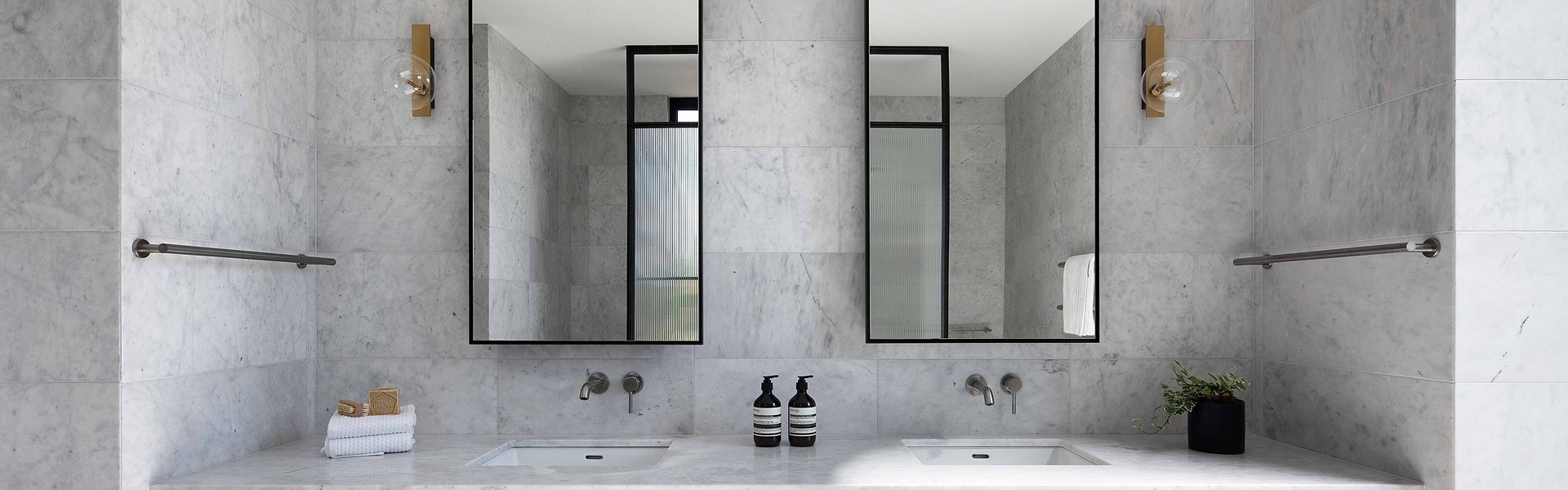
How to Clean & Seal Marble Benchtops | Melbourne Care Guide
To keep a marble benchtop looking new, wipe it daily with a pH neutral cleaner and a soft cloth, wipe up spills straight away (especially citrus, wine and coffee), and reseal with a penetrating sealer on the schedule your sealer recommends. Avoid vinegar, bleach and abrasive pads, because acids etch marble. Done consistently, marble stays beautiful for decades.
Why marble needs a little care
Marble is a natural stone with two characteristics worth understanding before you panic about either of them.
The first is porosity. Marble has tiny openings across its surface, so a liquid left sitting long enough can soak in and leave a stain. A natural stone sealer penetrates the stone’s pore structure and reduces liquid absorption. .
The second is acid sensitivity. Marble is calcium based, so acidic liquids like lemon juice, vinegar, wine and some cleaning products react with the surface and leave a dull mark. That mark is an etch, not a stain, and it is a change to the surface rather than something sitting on top of it.
Neither is a reason to avoid marble. Plenty of Melbourne kitchens run marble benchtops happily. It simply means you treat the surface with the same respect you would give a good timber table.
Daily and weekly cleaning: the do's and don'ts
Day to day care is genuinely simple. Warm water, a few drops of pH neutral stone cleaner, a soft cloth, then dry it off. That is the whole routine.
Do:
- Use a pH neutral cleaner made for natural stone
- Wipe spills as they happen, particularly lemon, lime, wine, coffee and tomato
- Use a soft cloth or non scratch sponge
- Dry the surface after cleaning so you don't get water marks
- Use boards for chopping and coasters or trivets under bottles and hot pans
Don't:
- Use vinegar, lemon juice or any acidic cleaner
- Use bleach, ammonia or general purpose spray cleaners
- Use scourers, steel wool or abrasive cream cleansers
- Leave a cast iron pan, a cut lemon or a red wine glass sitting on the surface
- Drag ceramic or metal objects across a polished finish
Most damage people describe as "marble is too delicate" traces back to a supermarket spray cleaner used every day for a year.

How to seal a marble benchtop (and how often)
Sealing does not make marble bulletproof. It slows absorption so spills sit on the surface instead of sinking in, which gives you time to wipe them up.
Your stonemason will usually seal the benchtop on installation. After that, here is the process:
- Clean the benchtop thoroughly with a pH neutral cleaner and let it dry completely. Sealer applied over a damp or dirty surface will trap the problem underneath.
- Apply the impregnating sealer evenly with a clean cloth or applicator pad, following the product instructions.
- Follow the product directions
- Wipe back all excess before it dries. Sealer left to dry on the surface leaves a hazy residue that is a nuisance to remove.
- Allow the full cure time before using the benchtop again.
To check whether you need to reseal, run the water drop test. Put a few drops of water on the surface and leave them for a few minutes. If the water beads and the stone underneath stays the same colour, the seal is doing its job. If the stone darkens where the water sat, it is time to reseal.
How often depends on the sealer you use, the finish of the stone and how hard your kitchen works. Follow the reseal interval stated by the sealer manufacturer rather than a general rule of thumb, and let the water drop test be the tiebreaker.
Removing common marks: etch marks vs stains
Telling the two apart is the first step, because the fix is different.
An etch is a dull or lighter patch caused by an acidic substance reacting with the marble. Because the stone itself has been affected, normal cleaning will not remove it. Minor etching may be professionally restored, while deeper etching may require the area to be re-honed or re-polished to match the surrounding finish.
A stain is colour that has soaked into the stone, so it is usually darker. Oil, wine and coffee are the usual culprits. Stains are drawn out with a poultice, which is a paste applied over the mark, covered, and left to pull the stain up as it dries. Repeat if needed.
Rust marks from a tin or a cast iron pan need a rust specific poultice, and it is worth getting advice before trying anything aggressive.
The choice of finish matters here too, which is covered in our guide to honed and polished natural stone. Honed surfaces hide light etching far better than polished ones.
Frequently Asked Questions
How often should I seal a marble benchtop?
Follow the interval recommended by the sealer used on your benchtop, since products vary widely. Use the water drop test as your check: if water soaks in and darkens the stone rather than beading on top, reseal regardless of how long it has been.
Can I use vinegar on marble?
No. Vinegar is acidic and will etch the surface, leaving dull patches that will not wipe off. The same applies to lemon juice, bleach and most general purpose sprays. Stick to a pH neutral cleaner made for natural stone.
Does honed marble stain less than polished?
Honed marble does not stain less, but it hides light etching much better because there is no gloss for a dull patch to interrupt. Polished marble resists absorption slightly better. Both need sealing, and both need the same spill habits.
Choose your marble at Campbellfield
Marble is not a high maintenance surface. It is a low maintenance surface with two rules: wipe spills quickly and keep acids off it.
Visit the Attila's Natural Stone showroom and warehouse in Campbellfield to see full marble benchtops slabs in person, compare honed and polished finishes side by side, and pick the exact slab for your kitchen at wholesale pricing.
Share this Post