ATTILA

Natural Stone Benchtops for Striking Green Kitchen Designs
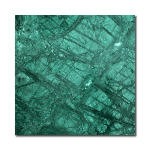
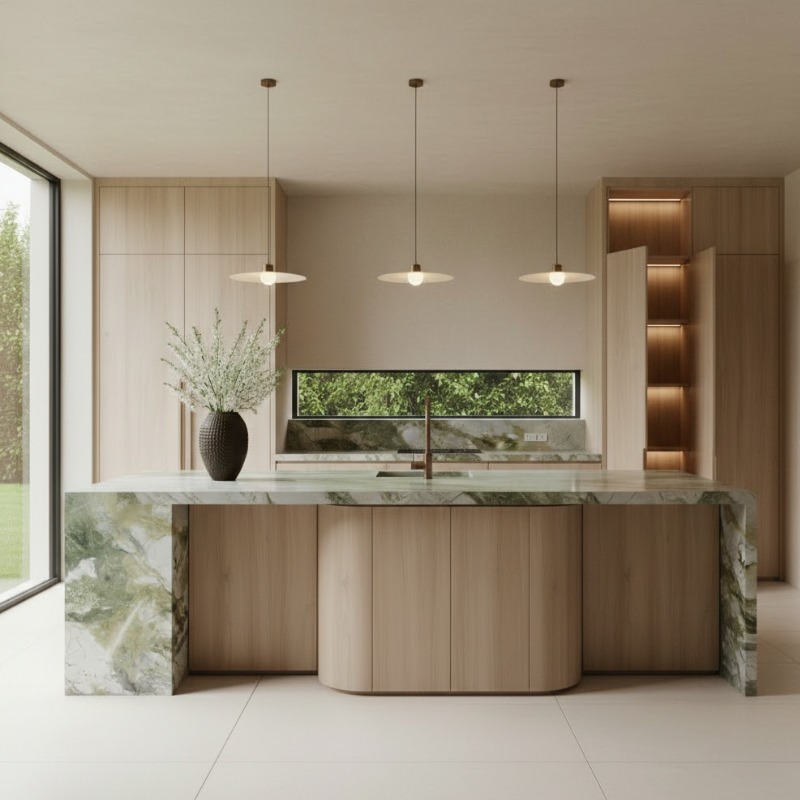
Green has shifted from accent colour to main event. When the benchtop carries that lush tone in genuine stone, a kitchen moves beyond “on trend” into timeless character.
Why Green Stone Is Having a Moment
Homeowners used to play it safe with white quartz or charcoal granite. Now visitors want to walk in and remember the kitchen. Green delivers that memory without resorting to gimmicks, because natural veining can’t be faked. Choosing a genuine slab also taps into Melbourne’s appetite for sustainable materials sourced for longevity.
If you are hunting for samples, start with green kitchen benchtops ideas in person. Seeing the full slab under natural light stops surprises once the stone is cut.
Matching Tones and Textures
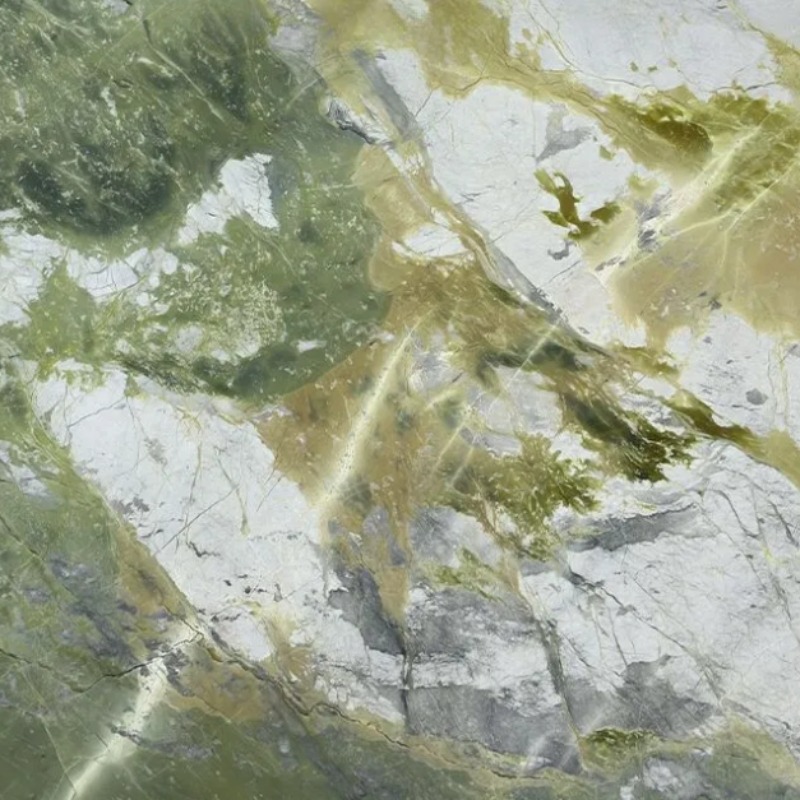
A green surface isn’t one-shade-fits-all. Some stones lean blue like amazonite, others warm olive. Matching the undertone to cabinetry is the difference between sophisticated contrast and visual clash.
Pro design pairings:
- Deep forest marble with matte black timber fronts
- Sage granite against warm oak joinery
- Emerald quartzite beside off-white shaker cabinets
Hardware matters, too. Brushed brass pulls underline warmer greens, while stainless steel keeps cooler stones feeling crisp. Texture also plays a role; a leather-finish rainforest granite softens reflected light, perfect for open-plan spaces that already carry a sheen from appliances.
Swatch and light test
Before signing off, take a 300 mm off-cut home. View it during morning, midday and LED down-light conditions. Melbourne’s winter grey can mute colour; checking through a whole day stops post-installation regrets.
Practical Considerations Before You Order
Supply chain
Exotic quartzites arrive in limited bundles. Locking in a slab early prevents patchy colour matching when a second bundle has a different hue.
Cutting layout
Green stones often carry dramatic directional veining. Map sink and cooktop cut-outs so the most eye-catching pattern sits on the island rather than disappearing into off-cuts.
Sealing schedule
Most green marbles and granites accept penetrating sealer on installation, then a top-up every one to three years depending on use. Quartzite is denser and may stretch longer between coats.
Edge profiles
Bullnose softens darker greens that might feel heavy in a small kitchen. A pencil round edge keeps focus on the veining for lighter stones. Consider waterfall ends only if the cabinetry can handle the weight; natural slabs average 90–100 kg per square metre at 30 mm thickness.
Budget expectations
While local granites start at the lower end, rare quartzites can climb quickly because of quarry scarcity and freight. Our benchtop process considers the full landed cost, including templating, fabrication, delivery and installation, helping you avoid mid-project surprises.
Simple Care That Keeps the Colour Alive
Acidic spills, especially lemon juice and red wine, can etch marble. Wipe immediately with a damp microfibre cloth. For day-to-day cleaning, pH-neutral stone soap avoids stripping the sealer.
Skip abrasive powders; they dull the polish and invite future stains. If scratching does occur, professional honing restores the surface with minimal material removal. Many Melbourne stonemasons offer same-day repolishing for homeowners who book ahead during quieter mid-week slots.
Long-term, a light beeswax buff brings out depth in leathered finishes, while a water-based acrylic polish lifts shine on honed granites. Detailed maintenance advice is available in the Victorian Government’s YourHome benchtop material guide.
Green stone benchtops balance statement colour with authenticity no laminate can match. Select the right slab, treat it kindly and you gain a centrepiece that still turns heads when the next kitchen trend arrives.
Share this Post