ATTILA
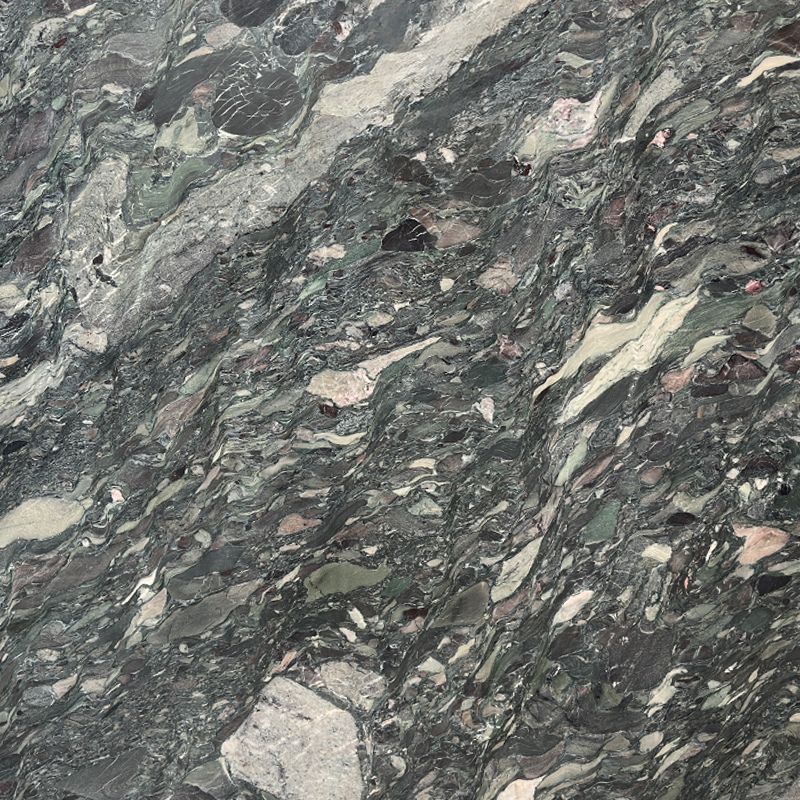
Deciding on Natural Stone Cladding for Your Melbourne Home
Stone cladding can turn a flat, forgettable façade into something with real architectural weight, texture, shadow, presence, and a lift in value that lasts. But it’s a building-envelope decision, not just a finish, so it rewards a bit of homework before you order samples or line up installers.
The honest starting point is whether the stone actually suits your home’s structure and your climate. Below are seven questions Victorian homeowners keep asking when they weigh up a cladding upgrade, worth answering before you commit, not after. And a myth worth puncturing early: premium natural stone is more affordable than most people think, provided you buy direct rather than through several layers of markup. If you’d like help with design, material choice and sourcing (plus connections to approved installation partners), our stone cladding service in Melbourne pulls it into one place.
First, what should your stone cladding do?
Every good cladding project starts with a clear job for the stone, because that job decides almost everything downstream. A bold first impression on the street? Better weather protection and insulation? A textural feature wall for a new alfresco? A resale edge in a competitive pocket of the market? Pin down the main driver, and the rest (stone type, thickness, pattern, full coverage versus a placed accent) starts to fall into line.
The answer shifts with the building. Inner-city terraces with heritage character often take a lightweight veneer on the upper storey, so an older structure isn’t overloaded. Newer builds out in the growth corridors can carry full-bodied limestone panels for real vertical drama.
One local catch: Melbourne’s planning overlays can govern façade changes, especially in heritage precincts like Fitzroy, Carlton and Port Melbourne. Confirm council requirements early; a redesign forced on you late is an expensive way to learn the rules.
How will Melbourne’s climate treat stone cladding?
From a biting August southerly to blunt summer UV, Melbourne asks a lot of an external surface. Stone handles it well, but not every stone does it the same way, and the differences matter once rain and city grime get involved.
| Stone Type | Moisture Resistance | Thermal Movement | Notable Strengths | Watch-outs in VIC Climate |
| Bluestone (Basalt) | High | Low | Handles cold, wet cycles well; iconic local look | May show white salt staining (efflorescence) if base drainage is poor |
| Granite | Very high | Very low | Stain and scratch resistant | Dark colours absorb more heat on north-facing walls |
| Limestone | Medium | Medium | Subtle, uniform tone that works with modern designs | Needs regular sealing against acidic rain and pollution |
| Travertine | Medium–high | Low–medium | Textural and timeless; great for feature walls | Open pores need filling or a backing mesh for exterior use |
“Thermal movement,” in that last column, just means how much a stone expands and contracts as temperatures swing. True frost is rare across most of Melbourne, but cold nights on the eastern and rural fringes still nudge stone in and out enough to matter. Pick one rated for that movement, set your expansion joints in the right places, and hairline cracks never get their opening.
Can your structure carry stone cladding?
It’s worth asking before you commit. Full stone cladding adds real weight, and not every wall, fireplace surround or joinery panel is built to take it. Older homes, plasterboard partitions and curved surfaces are the usual sticking points. If you’re unsure, have your builder or engineer confirm the substrate can handle the load before materials are ordered.
There’s another option. Flexible panels are roughly 3mm thick and a fraction of the weight of a slab, which makes them suited to walls and structures that can’t carry traditional stone. They bend around curves, work well on fireplaces, feature walls, joinery and shop fit-outs, and they install without the structural reinforcement heavier materials often demand.
How does stone cladding compare with brick, render and panels?
Plenty of homeowners weigh stone against rendered masonry, fibre-cement or metal. Here’s the practical picture:
| Feature | Natural Stone Cladding | Rendered Masonry | Fibre-Cement or Metal Panels |
| Aesthetic longevity | Ages gracefully; patina adds character | Prone to cracking and fading | May date visually as trends change |
| Maintenance | Sealing every 3–5 years (stone-specific) | Repainting and crack repairs every 7–10 years | Washing and occasional repainting |
| Thermal mass | High (helps steady indoor temperatures) | Medium–high | Low |
| Cost per m² (supply only) | Medium–high (varies by stone) | Low–medium | Medium |
| Installation | Specialist fixing and sealing | Straightforward for most builders | Moderate; needs product-specific trims |
| Resale perception | Premium and timeless | Standard finish | Depends on the brand and look |
Stone usually comes out as the most durable and most prestigious of the bunch. It does ask for skilled trades and an honest budget. No pretending otherwise. But buying the stone directly, rather than through a chain of middlemen, is exactly what keeps that premium look within reach.
What regulations apply to stone cladding in Victoria?
After the combustible-cladding scandal on some high-rise towers, Victoria tightened its grip on external wall systems across the board. Natural stone is non-combustible, which helps, but you still have to satisfy the standards for fixing, weather-tightness and drainage. The regulator here is now the Building and Plumbing Commission (BPC), which took over the former Victorian Building Authority’s functions on 1 July 2025, and the Cladding Safety Victoria guidance sets out the compliance steps and inspection triggers to keep on your radar.
For a homeowner, the essentials come down to this. Get a building permit once the work goes past the purely cosmetic. Use products with documented testing for slip resistance and wind loading. And make sure the waterproofing behind the stone actually agrees with the adhesives in front of it. A good installer coordinates all of this, but knowing the shape of it means you’re never caught out if council asks for proof mid-build.
Where do stone cladding projects usually go wrong?
Most stone cladding problems are caused by poor preparation or installation rather than the stone itself.
Common mistakes include:
Choosing stone based only on appearance
A beautiful stone may not suit every exterior location or fixing method.
Using the wrong adhesive
The adhesive must be suitable for the stone, substrate and external conditions.
Skipping waterproofing or drainage
Water trapped behind the stone can contribute to staining, efflorescence and long-term damage.
Ignoring movement joints
Large exterior walls expand and contract as temperatures change.
Poor corner detailing
Corners, joins and window reveals should be planned before installation begins.
Selecting from a small sample
Natural stone varies significantly. A small sample cannot show the full colour movement, veining or texture of an installed wall.
Seeing the material in person allows you to understand how the stone will actually look across a larger area.
Can you maintain stone cladding yourself?
Natural stone cladding is relatively easy to maintain when the correct stone and installation system have been used.
Routine maintenance may include:
Removing dirt and organic matter
Checking grout, joints and sealants
Cleaning with a pH-neutral stone cleaner
Inspecting areas exposed to constant runoff
Resealing when required
Sealing requirements vary according to the stone, exposure, finish and sealer used. A high-quality penetrating or impregnating sealer can provide long-term protection, but it should always be applied according to the product manufacturer’s instructions.
Avoid acidic cleaners, harsh chemicals and high-pressure cleaning directly against joints, as these may damage the stone or installation system.
Where DIY stops and a professional starts depends mostly on scale and height:
| Situation | DIY feasible? | Professional recommended? |
| Small feature wall under 10 m² | Yes, with proper PPE and a quality breathable sealer | Not usually |
| Entire double-storey façade | Challenging, given the height and need for even coverage | Yes |
| Stains from tannin-rich tree leaves | Possibly, if caught early and the stone is dense | Yes, if the marks have set deeply |
When you’re unsure, a short visit from a cladding specialist is cheap insurance against a small problem becoming a big one.
See the stone before you decide
Natural stone cladding should be selected in person whenever possible.
Photographs and small samples cannot fully show the colour variation, texture and natural movement of a larger stone panel. Viewing several options side by side also makes it easier to coordinate the stone with roofing, render, timber, paving and landscaping materials.
At Attila’s Natural Stone, we hold an extensive range of natural stone in stock at our Campbellfield warehouse. Our team can help you compare colours, finishes and stone types, explain the characteristics of each material and connect you with experienced installation partners where required.
We are a natural stone wholesale centre open to the public, allowing homeowners, builders, architects and designers to view and select materials directly.
Visit our Campbellfield showroom and warehouse Monday to Saturday, from 9am to 5pm. No appointment is required.
Common questions
Does stone cladding improve energy efficiency in Melbourne homes? Stone provides thermal mass, which can help moderate temperature changes. However, overall energy performance depends more heavily on the insulation, wall system and construction behind the stone.
How long does exterior stone cladding last? Installed properly and resealed on schedule, quality stone routinely outlasts the building around it, often well past 50 years. The anchors and sealers give out sooner, so book an inspection roughly every decade.
Is it at risk of salt damage near Port Phillip Bay? Salt air does deposit chlorides on coastal façades. Dense stones like granite or basalt, sealed with a breathable product and rinsed occasionally, all cut the risk of staining or surface flaking.
Can I clad over existing brickwork? Often, yes, as long as the brick is structurally sound, crack-free and up to the added weight. An installer will usually add a moisture barrier and mechanical ties for a secure result.
Do I need council approval for a small feature wall? If it’s purely decorative, under a set height and doesn’t touch structural walls, some councils wave it through under a minor-works exemption. Check with your local planning department before you start, every time.
Share this Post